TRACKING
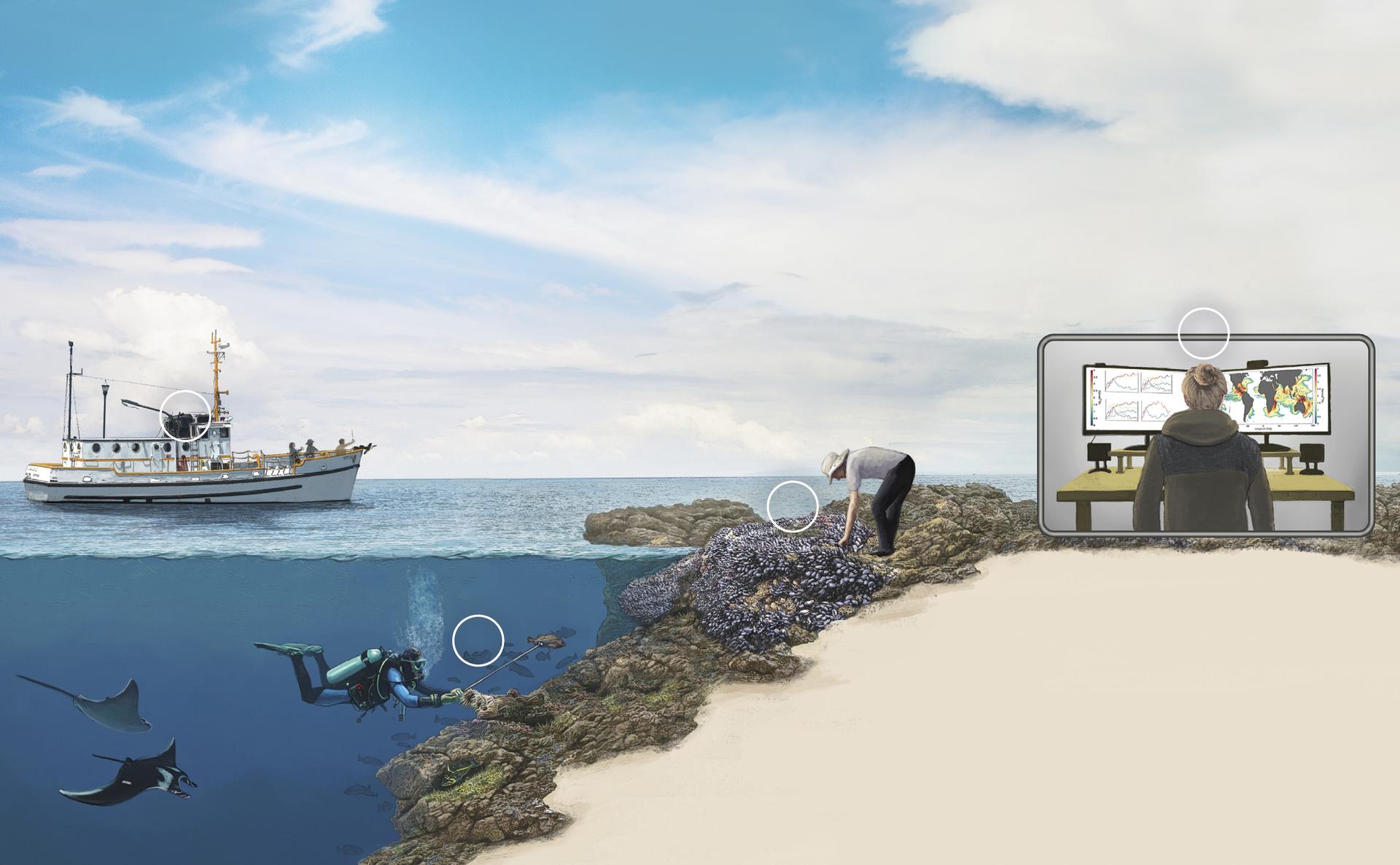
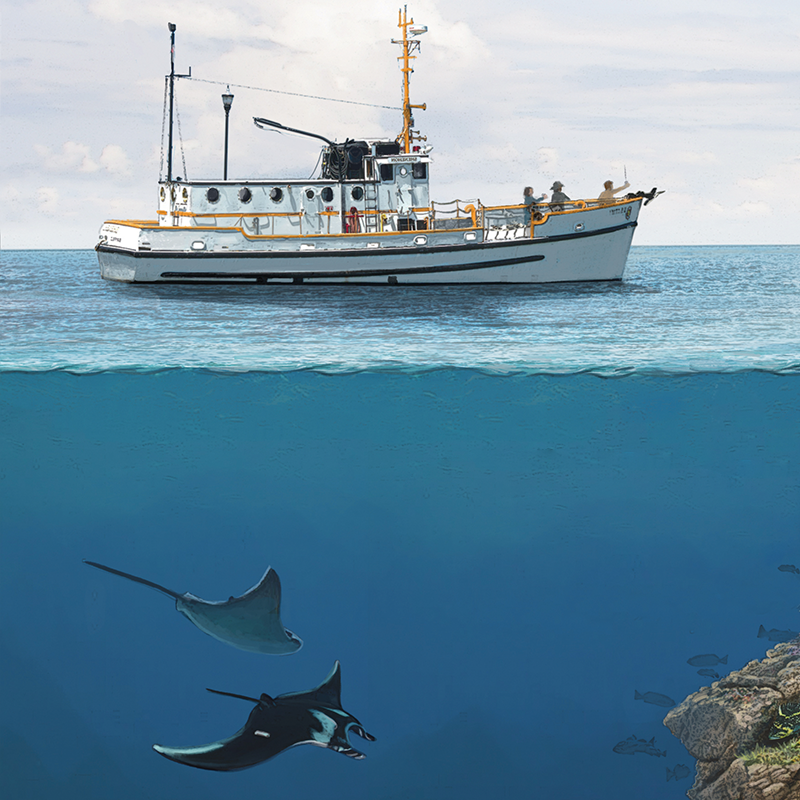
The most direct way of measuring marine movement is to record observations of ocean-dwelling organisms in situ. Those data can be collected through photographs, videos, or visual surveys or by using acoustic, electronic, or satellite tags. Tracking is particularly effective for large, migratory animals, but is practically infeasible for smaller species and larvae.
GENETICS
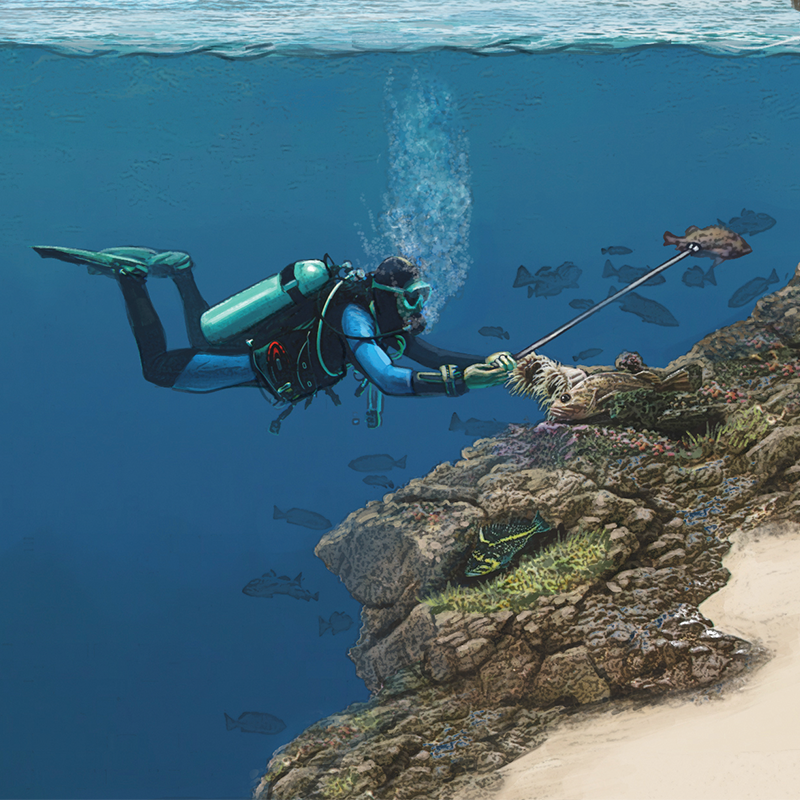
Tissue samples from marine organisms allow researchers to quantify genetic diversity within populations and gene flow between them. One particularly resource-intensive and time-consuming approach known as parentage analysis even allows researchers to identify which adults spawned a particular larva. For species that move relatively little in adulthood, such as many species of reef fish, researchers can then extrapolate to figure out where that larva was spawned.

BIOGEOCHEMISTRY
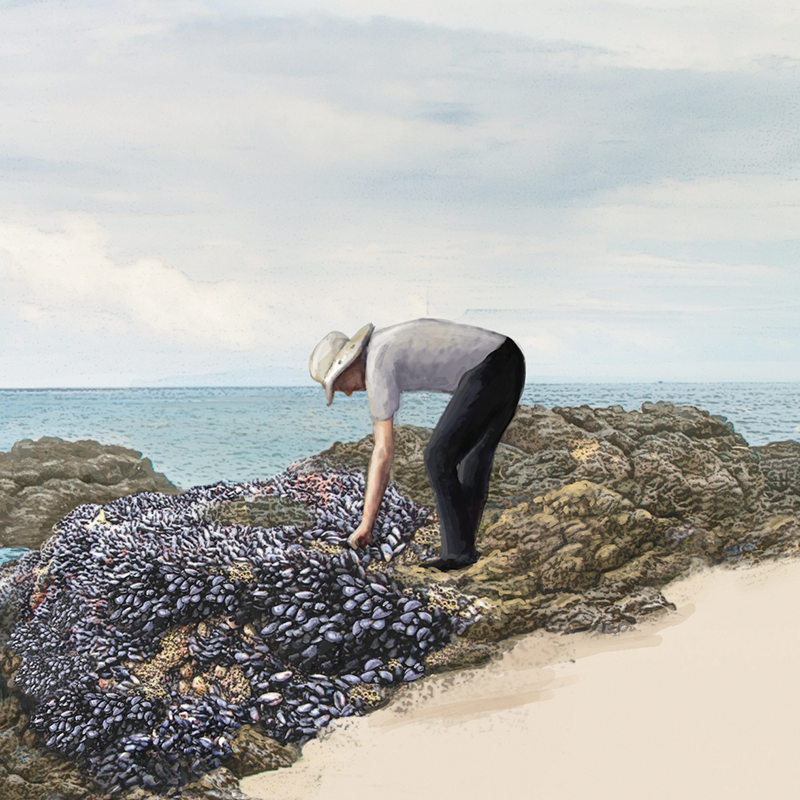
Calcium carbonate-containing structures such as fish otoliths and mollusk shells contain chemical signatures of the composition of seawater in which they formed. By comparing the otoliths or shells of wild organisms to a database of chemical signatures, researchers can establish where an organism developed.

SIMULATIONS
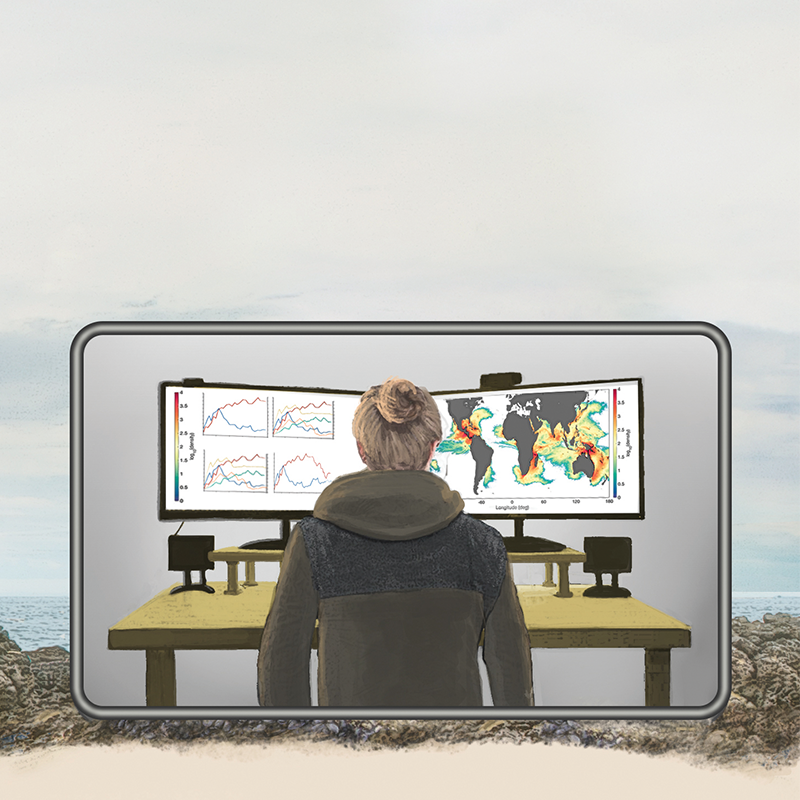
Researchers turn to computer simulations when fieldwork is impractical, or when they want to compare experimental data with a particular theory. This is an especially common approach for estimating the travel patterns of larvae or planktonic organisms, which can be moved great distances by the oceans’ currents. More-complex models incorporate data on larval behavior to try to boost predictive power.